#004 · Blog
The Environment You Create
The Lead - The Environment You Create
The term “culture” gets thrown around constantly, even in 2025. You’re probably tired of hearing it, I am too.
Back in 2018, I was looking to change course in my career and get out of the insurance industry. I decided I wanted to look for a cool startup to work for, because “culture”.
That’s how I found my way to an up and coming startup in Raleigh called FilterEasy. My second or third interview was with co-founder and CEO, Thad Tarkington.
I strolled into their cool downtown office, complete with a jumbo bean bag chair, ping pong table and open design concept. It’s an interview with the CEO, so naturally I had on my sport coat, button up shirt and slacks. Thad of course was in a tshirt, with his patented long hair. Needless to say, I felt a bit like a fish out of water.
As I met with Thad, I asked him a question about what he thought made a great culture. His answer was simple:
“Winning”.
In the moment I felt a little disappointed. I was expecting more. Maybe something about personal and professional development, having fun together, etc.
But as I’ve gone on in my career, I’ve seen how right he was and my perspective on the term culture has radically changed too.
Call it a matter of semantics, but I prefer to think about environments rather than culture. Looking at the definition of environment, you’ll find words like setting, conditions, structure. The reality is we all operate within an environment, and my belief is that it’s particularly critical for sales performance.
Let’s get back to Thad’s answer, and what the environment was like at FilterEasy. Of course, there were many contributing factors but let’s focus on the idea of winning.
Stating the obvious - winning is more fun that losing. Duh. So if winning as a team and individuals is preferred, what does that actually mean? How does it shape an organization? What should the environment look like?
Here’s a few examples of what I experienced:
- Devoted Leadership - if we had an issue, or saw an opportunity to increase results, leadership listened and was willing to dive in. There was no question that they were behind us. They weren’t just present, they were on the frontlines.
- Incentive Alignment - this may be a hot take for some of my FE alum, but the comp plan was fair and aligned with the end goal. Rather than getting paid on “doors signed”, we were paid as PM companies added their doors to the filter program. Why? Because the company didn’t attain revenue until the program was rolled out successfully. This made it essential for salespeople to bring on quality opportunities and see them through to successful onboarding.
- Continuous Improvement - skill development was woven into the fabric. We practiced together as a team, every week. It was intentional, not accidental. Team members helped each other directly. The most successful salespeople were eager to help the newest on the team.
Unfortunately, I’ve also experienced the inverse of these at different stops. I’ll save those stories for another day. But here’s what I can tell you: sales is hard. If you are facing resistance from within, it’s much harder.
This is particularly relevant for outbound, where rejection is par for the course everyday. If you’re trying to engage leads who don’t know who you are, you’re going to get ignored a lot with the occasional rude rejection. When everything external feels like it’s going against you, internal support is all the more important.
The moral of the story is this - even if you’re fortunate enough to find an “A” player, the structures and systems you create matter. There will always be factors we can’t control, it’s never perfect. But we should be working for alignment and orientation towards the results we want to see.
People don’t want the ping pong table, they want to win.
Who Are You Trying to Reach?
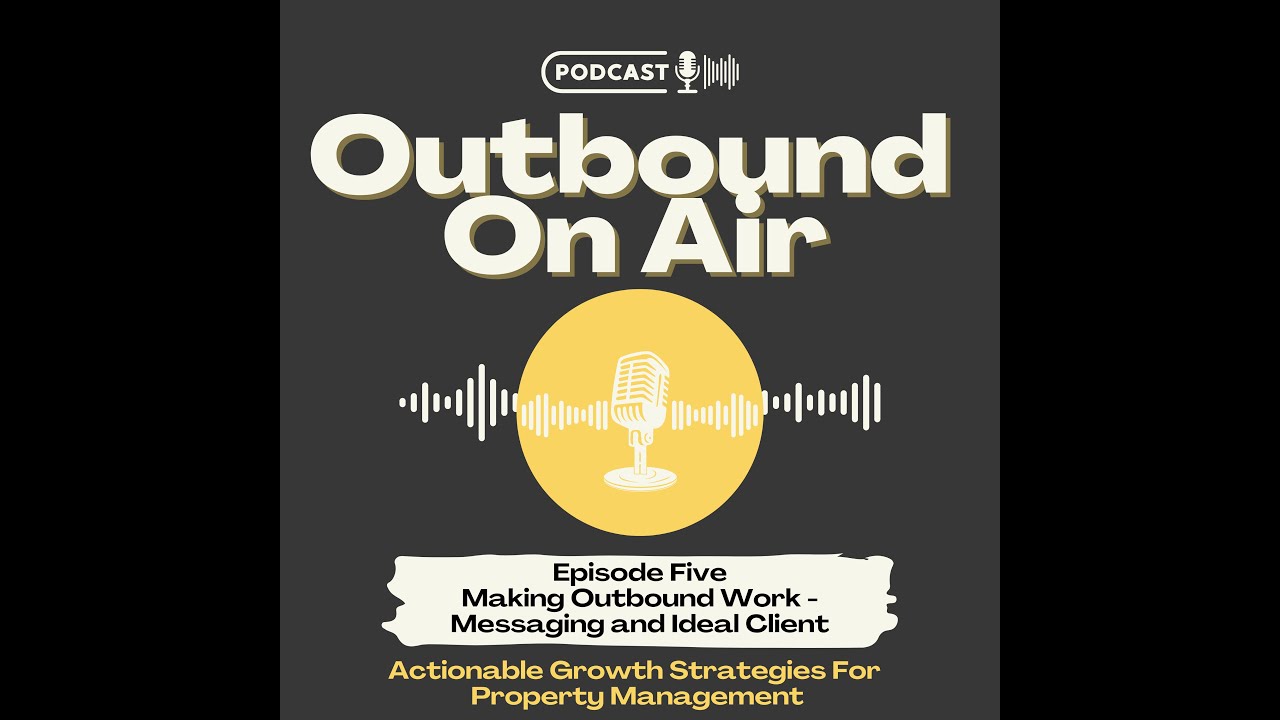
The latest episode of “Outbound On Air” came out on Thursday. Kristen and I tackle the concept of ideal client profile, and how that impacts your messaging.
Most of you have heard that term, but I can’t stress enough how important it is to get clear on this. If your ideal client is broadly defined, your messaging will be broad and unspecific.
This was a fun episode, we both tried to keep our soapboxing to a minimum. I’m confident you’ll take something away from it.

Talk to Ben
Does your growth plan feel stuck?
Let's identify your biggest opportunities and get you on the path to reaching your goals.
Book a CallThe GPA
Take the Growth Performance Assessment
In just a few minutes, you'll receive a detailed score breakdown highlighting your current performance level and the highest-impact opportunities for growth.
Take the Assessment